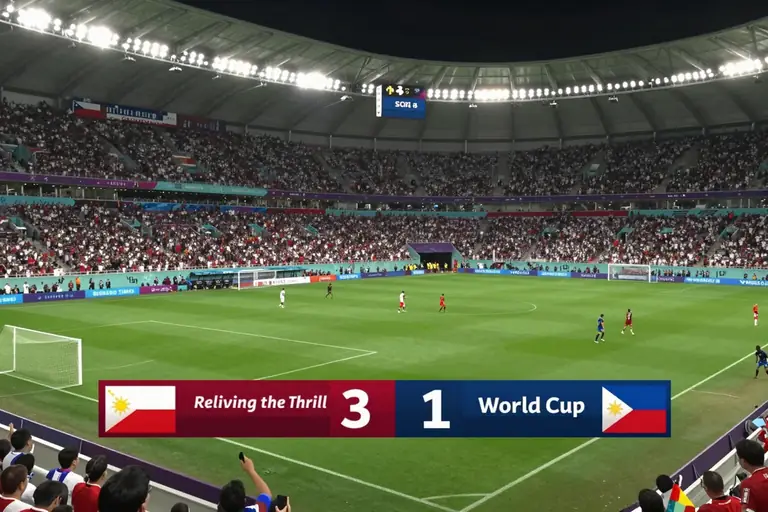

When the referee blows the final whistle, it marks the official end of 90 minutes (plus injury time) of intense football. But for players, coaches, and fans, the action doesn’t truly stop there. The immediate aftermath of a match often delivers some of the most raw, emotional, and unforgettable moments in the sport. These range from explosive celebrations and heartbreaking commiserations to crucial tactical discussions and even unexpected controversies. We’ll explore these significant post-match events that often define a season or a career.
The Immediate Emotional Outpouring
The very first moments after the final whistle are typically dominated by an unfiltered display of emotion. For the winning side, it’s an explosion of joy and relief. Players might collapse to the ground in exhaustion, embrace teammates, or sprint towards their fans to share the triumph. These scenes are particularly vivid after cup finals, title deciders, or crucial relegation battles where the stakes are incredibly high. The sheer elation is palpable.
On the flip side, the losing team experiences profound disappointment, often visible as slumped shoulders, tears, or blank stares. It’s a moment of processing defeat, especially if the loss was narrow or unexpected. Rival players often offer handshakes, hugs, or words of comfort, showcasing the sportsmanship that underpins the game, even in moments of intense rivalry.
Player and Coach Reactions
Beyond the initial emotional wave, players and coaches often have specific rituals or responsibilities. Winners might embark on a lap of honor, acknowledging the support of their fans. This is a chance for supporters to show their appreciation, and for players to savor the victory together.
Coaches, meanwhile, often head straight to shake hands with their counterparts, a gesture of respect regardless of the outcome. They then typically gather their players for a quick huddle, offering immediate feedback, congratulations, or words of encouragement. For the losing side, this huddle can be a crucial moment for the coach to lift spirits or begin analyzing what went wrong, often away from the cameras.
The Media Scramble and Interviews
Once the initial emotions subside, the media takes center stage. Reporters and camera crews flock to the pitchside and mixed zones, eager to capture reactions and quotes from players and coaches. These post-match interviews are often where memorable soundbites are made, whether it’s a triumphant captain, a philosophical coach, or a player reflecting on a missed opportunity.
Players are often asked to dissect key moments, explain their performance, or comment on the opposition. Coaches provide their tactical insights and often address controversies or officiating decisions. These interviews are vital for fans who want to understand the game from the perspective of those on the field.
Locker Room Dynamics
What happens behind closed doors in the locker room is often just as significant, though rarely seen. For the victors, it’s a place for continued celebration, team bonding, and perhaps a celebratory meal or drink. Speeches from the captain or coach can reinforce team spirit and set the tone for future challenges.
For the defeated, the locker room is a private space for reflection, frustration, and sometimes heated discussions. It’s where teammates console each other, and where coaches deliver their more in-depth analysis, often outlining areas for improvement. These private moments are crucial for team cohesion and mental resilience.
Officiating Decisions and VAR Review
Sometimes, the biggest moments after the game aren’t about who won or lost, but about controversial decisions. The introduction of Video Assistant Referee (VAR) has meant that even after the final whistle, discussions about key calls – penalties, red cards, offsides – can continue. Referees might face scrutiny, and pundits will spend hours dissecting replays. These moments can overshadow the actual result, leading to debates that last for days.
Anti-Doping Control and Medical Checks
Behind the scenes, a more routine but critical part of the post-match process involves anti-doping control. Selected players from both teams are often required to provide samples for drug testing. Medical staff also attend to any injuries sustained during the game, assessing their severity and planning recovery protocols. These are essential for maintaining the integrity of the sport and player welfare.
Fan Reactions and Departures
For the fans, the final whistle signals the start of their own post-match rituals. Winning fans might stay in the stadium, singing and celebrating, or head to local pubs to continue the festivities. Losing fans, on the other hand, often make a quieter exit, reflecting on the outcome. The atmosphere outside the stadium can be just as charged as inside, with supporters discussing the game, analyzing performances, and planning for the next fixture. Sometimes, rival fans might even clash, though security measures are always in place to manage crowds.
Looking Ahead: The Next Match
Ultimately, for professional teams, the moments after full-time quickly transition into preparations for the next challenge. Win or lose, coaches and players have to analyze the match, learn from it, and refocus. Training sessions, tactical meetings, and recovery plans are all set in motion almost immediately. The cycle of professional football is relentless, and every match, regardless of its outcome, provides lessons for what comes next.
FAQ
What are the most common player activities immediately after winning a big game?
After a significant victory, players typically engage in immediate celebrations with teammates, often embracing, jumping, and sometimes collapsing in relief. They then usually perform a lap of honor around the stadium to thank the fans, often taking photos and sharing the moment with supporters.
How do coaches handle their teams after a tough loss?
Following a tough loss, coaches usually gather their team in a huddle on the pitch for immediate feedback, offering words of encouragement and emphasizing the need to learn and move forward. In the locker room, they provide a more detailed analysis, address mistakes, and work to maintain team morale and focus on future games.
Why are post-match interviews important for fans?
Post-match interviews are crucial for fans because they offer direct insights from players and coaches about the game’s key moments, strategies, and emotional impact. These interviews help fans understand the decisions made, the effort put in, and the overall perspective of those directly involved, enriching their appreciation of the sport.