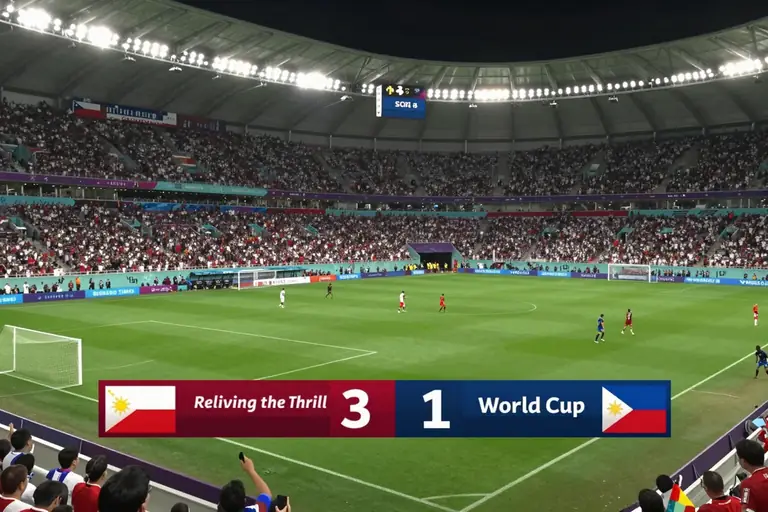

The roar of the crowd has faded, the players have left the pitch, and the adrenaline of the game is slowly subsiding. But for every passionate fan, the match isn’t truly over until every moment has been dissected, every decision questioned, and every performance analyzed. This is where the real fun begins – the post-match discussion. From controversial referee calls to individual brilliance, there’s always plenty to chew on. Let’s delve into the Biggest Talking Points After the Match that have captivated fans and pundits alike.
The Controversial Penalty Decision: Was It Fair?
Without a doubt, the incident everyone is still replaying in their minds is the penalty awarded in the 75th minute. It was a game-changing moment, and its impact on the final score is undeniable. The referee pointed to the spot after a challenge in the box, and replays have been scrutinized from every angle since. Some argue it was a clear foul, a reckless tackle that left the attacker no choice but to go down. They point to the contact, however minimal, and the disruption it caused to the player’s stride. For them, it’s a textbook penalty, and the official made the correct call under pressure.
On the other side of the fence, a significant portion of fans and analysts believe it was a soft penalty, perhaps even a dive. They highlight the attacker’s theatrical fall and suggest that contact was initiated by the attacking player, or that it was simply not enough to warrant such a crucial decision. The debate about the fairness of this particular call is a prime example of one of the match’s biggest talking points. Did VAR intervene correctly, or did it add to the confusion? This single incident has fueled countless arguments and will likely be discussed for days to come, shaping the narrative around the game’s outcome.
The Unexpected Tactical Masterclass from the Underdog
Before the game, few expected the visiting team to put up such a strong fight, let alone dictate large portions of the play. Their manager, often criticized for a perceived lack of attacking ambition, truly pulled a rabbit out of the hat with his tactical setup. The decision to switch to a back five, coupled with an aggressive high press in the midfield, completely stifled the home team’s usual free-flowing attack. This tactical shift created one of the Biggest Talking Points After the Match, as pundits praised the manager’s bravery and foresight.
The way they managed to nullify the opposition’s star striker, who had been in prolific form, was particularly impressive. Their defensive solidity was matched by surprising bursts of attacking intent, especially on the counter. This unexpected display of tactical acumen has shifted perceptions and raised questions about the home team’s preparation. It’s a testament to how a well-executed game plan can overcome a disparity in squad quality, and it’s certainly among the match’s most significant talking points for anyone who appreciates the strategic side of the beautiful game.
Player X’s Redemption Arc: From Villain to Hero
Individual performances always stand out, but few capture the imagination quite like a player’s journey from a difficult period to a moment of triumph. Player X, who has faced significant criticism in recent weeks for a dip in form and a couple of high-profile mistakes, delivered a performance that silenced his detractors. His winning goal, a stunning strike from outside the box, was the highlight, but his overall contribution was equally vital. He showed renewed energy, made crucial interceptions, and linked up play effectively.
This turnaround has become one of the Biggest Talking Points After the Match. Fans are celebrating his resilience and character, while commentators are discussing the psychological impact of such a comeback. It serves as a reminder of the pressures professional athletes face and the mental fortitude required to overcome adversity. His performance wasn’t just about the goal; it was about reclaiming his place and proving his worth, making it a compelling narrative and a central part of the post-game analysis.
The Goalkeeping Blunder: A Moment to Forget
Conversely, not all individual performances are positive. The home team’s goalkeeper had a moment he’d certainly like to erase from his memory. A seemingly routine save turned into a calamitous error, allowing the opposition to equalize at a critical juncture. The ball slipped through his grasp, and despite his best efforts to recover, it trickled over the line. This mistake swung the momentum of the game and ultimately contributed to the final result.
Such an obvious error inevitably becomes one of the match’s biggest talking points. The pressure on goalkeepers is immense, as any mistake is often amplified and directly leads to a goal. While fans are quick to criticize, there’s also an understanding of the human element in sport. The discussion around this blunder ranges from sympathy for the player to calls for improved concentration. It highlights the fine margins in professional football and how a single lapse can alter the course of a game, making it a significant part of the post-game discussion.
The Impact of Substitutions: Game Changers or Missed Opportunities?
Managerial decisions, particularly when it comes to substitutions, are always under the microscope. In this match, both managers made changes that had a direct impact, for better or worse. For the winning side, the introduction of the pacey winger in the second half immediately stretched the opposition defense, leading directly to the build-up for the winning goal. His fresh legs and direct running caused problems that weren’t present earlier in the game.
On the other hand, the losing manager’s decision to bring off a creative midfielder for a more defensive player when chasing a goal was met with widespread confusion. This move, intended perhaps to shore up the defense, instead seemed to blunt their attacking threat even further. The timing and rationale behind these changes are always among the Biggest Talking Points After the Match. Did the winning manager make a stroke of genius, or was the losing manager too conservative? These strategic choices often define the outcome and provide ample material for post-game analysis.
Overall Team Performance: Where Do They Go From Here?
Beyond individual moments and specific decisions, the general performance of both teams provides a broader perspective for discussion. The winning team, despite their victory, didn’t always look convincing. There were periods where they struggled to maintain possession and allowed the opposition too much space. While the result is positive, questions remain about their consistency and ability to perform at a higher level against stronger opposition. This forms part of the match’s major talking points for their fans.
For the losing side, despite the disappointment of defeat, there were glimpses of promise. Their fighting spirit and tactical discipline were commendable, especially against a team with greater resources. The challenge now is to build on these positives and address the areas where they fell short. The overall trajectory of both teams, their strengths, weaknesses, and what this result means for their season objectives, are crucial components of the post-game analysis. It’s about looking beyond the 90 minutes and considering the long-term implications.
Conclusion: The Never-Ending Debate
The beauty of football lies not just in the 90 minutes of action, but in the endless discussions that follow. From individual brilliance to collective failures, controversial calls to tactical masterstrokes, there’s always something to debate, analyze, and passionately argue about. These Biggest Talking Points After the Match are what keep the spirit of the game alive long after the final whistle, connecting fans and fostering a shared experience that transcends the scoreline. Whether you’re a casual observer or a die-hard enthusiast, engaging with these discussions is an integral part of the football experience. Every match offers a fresh set of talking points, ensuring the conversation never truly ends.
The post-match analysis is a ritual, a way to process the highs and lows, and to project forward to what comes next. It’s where theories are born, legends are made, and disappointments are dissected. The Biggest Talking Points After the Match are the lifeblood of fan culture, a testament to the sport’s enduring power to captivate and provoke thought. So, grab a coffee, gather your friends, and dive into the never-ending debate – because these discussions are just waiting to be had.
FAQ
Q: What usually constitutes the Biggest Talking Points After the Match?
A: Typically, the Biggest Talking Points After the Match include controversial referee decisions, standout individual performances (both good and bad), tactical shifts by managers, significant goals or blunders, and the overall implications of the result on league standings or future matches.
Q: Why are post-match discussions so important to football fans?
A: Post-match discussions are crucial for fans as they allow for shared analysis, emotional processing of the game’s outcome, and a deeper understanding of the sport’s nuances. It’s a way to connect with fellow supporters and extend the excitement and passion of the match beyond the final whistle, making these the central topics of conversation.
Q: How do media outlets influence the Biggest Talking Points After the Match?
A: Media outlets play a significant role by highlighting specific incidents, providing expert analysis, and framing narratives around key events. Their coverage often shapes public opinion and directs attention to certain aspects of the game, thereby influencing what becomes the primary topics of discussion for a wider audience.