
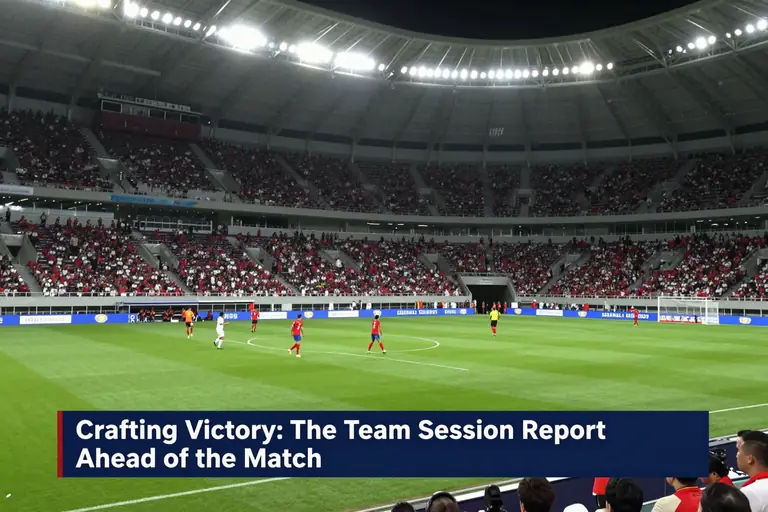
The Indispensable Team Session Report: Your Blueprint for Victory
In the intensely competitive arena of modern sports, meticulous preparation separates champions from contenders. The team session report ahead of the match stands as a cornerstone of this preparation, far exceeding a mere summary of activities. It’s a dynamic, strategic document that encapsulates observations, rigorous analysis, and actionable insights gleaned from exhaustive training sessions, team meetings, and individual player assessments. This comprehensive report serves as a compass, guiding the fine-tuning of tactics, proactively addressing weaknesses, and amplifying existing strengths, ultimately maximizing the team’s probability of success when the stakes are highest.
The intrinsic value of a meticulously crafted team session report ahead of the match cannot be overstated. It provides a crystal-clear snapshot of the team’s overall readiness, highlighting critical areas that demand immediate adjustments and targeted interventions. By diligently documenting every facet of the preparation process, coaches are empowered to make informed, data-driven decisions concerning player selection, the strategic game plan, and adaptive in-game strategies that can shift the momentum of the match.
Deciphering the Anatomy: Key Components of a Comprehensive Team Session Report
What specific elements constitute a truly effective team session report ahead of the match? A robust and insightful report encompasses a diverse range of essential components, providing a holistic view of the team’s preparedness:
- Detailed Training Session Summaries: These are exhaustive accounts of each training session, meticulously documenting drills, exercises, simulated game scenarios (scrimmages), and any variations implemented. This section should meticulously capture the intensity, unwavering focus, and overall qualitative assessment of the session, providing a clear picture of the training environment.
- In-Depth Tactical Analysis: This section constitutes a rigorous examination of the team’s tactical approach, dissecting both offensive and defensive strategies with precision. It encompasses formations employed, planned set-piece routines, and pre-determined strategies tailored for specific game situations, ensuring the team is prepared for every eventuality.
- Individual Player Performance Evaluations: These are objective and constructive assessments of each player’s performance during training sessions. Evaluations should encompass technical skill execution, physical conditioning metrics, and mental focus observations, providing a nuanced understanding of each player’s readiness and contribution.
- Comprehensive Opponent Analysis: This crucial section involves a detailed breakdown of the opposing team’s discernible strengths, exploitable weaknesses, and commonly employed game strategies. It identifies key players who pose significant threats and analyzes their tactical tendencies, equipping the team with the knowledge to counter their opponent’s approach.
- Up-to-Date Injury Updates and Medical Reports: This section provides timely and accurate information on any injuries or pre-existing medical conditions affecting players, along with detailed updates on their recovery progress and any limitations they may face.
- Assessment of Team Morale and Dynamics: This qualitative assessment evaluates the team’s overall morale, level of cohesion, and effectiveness of communication channels. It identifies any potential conflicts, interpersonal issues, or motivational challenges that could potentially impact performance on the field.
- Strategic Adjustments and Recommendations: Based on the comprehensive analysis of training sessions, individual player performance, and in-depth opponent analysis, this section formulates specific recommendations for adjustments to the pre-determined game plan, optimizing the team’s strategic approach.
Deep Dive: Tactical Analysis – The Heart of the Team Session Report
The tactical analysis section of the team session report ahead of the match is undeniably critical, serving as a comprehensive roadmap outlining the team’s intended approach to the game. This section should encompass the following key elements:
- Formation and Starting Lineup Rationale: This clearly states the chosen formation and provides a detailed rationale behind the selection of the starting lineup, carefully considering individual player strengths, synergistic team dynamics, and identified opponent weaknesses.
- Detailed Offensive Strategies and Plans: This section outlines specific and actionable plans for attacking the opponent’s defense, including pre-determined passing patterns, coordinated movement off the ball, and meticulously rehearsed set-piece execution strategies.
- Robust Defensive Strategies and Countermeasures: This element details the team’s comprehensive plans for defending against the opponent’s offensive attacks, including specific pressing tactics, effective zonal marking strategies, and designated individual matchups to neutralize key threats.
- Well-Defined Contingency Plans and Alternative Strategies: This crucial section outlines alternative strategies and tactical adjustments that can be seamlessly implemented if the initial game plan proves ineffective or if the opponent makes unexpected tactical shifts, ensuring adaptability and resilience.
Player Performance Evaluations: A Microscopic Examination
Individual player performance evaluations within the team session report ahead of the match provide invaluable insights into each player’s readiness, contribution, and areas for improvement. These evaluations must be objective, data-driven, and based on specific, pre-defined criteria, such as:
- Technical Skills Proficiency: This assesses the accuracy, consistency, and effectiveness of passing, shooting, dribbling, tackling, and other position-specific technical skills.
- Physical Conditioning and Athletic Attributes: This evaluates stamina, speed, agility, strength, power, and overall physical fitness levels, providing a clear picture of each player’s physical preparedness.
- Tactical Awareness and Understanding: This assesses the player’s comprehension of the overall game plan, their ability to effectively execute tactical instructions, and their understanding of positional responsibilities.
- Mental Focus, Decision-Making, and Resilience: This evaluates concentration levels, the quality of decision-making under pressure, and the ability to maintain composure and resilience in challenging game situations.
- Teamwork, Communication, and Collaborative Contributions: This assesses the player’s effectiveness in communicating with teammates, their ability to collaborate effectively, and their overall contribution to a positive and supportive team environment.
Constructive and actionable feedback should be provided to each player, highlighting specific areas for improvement while simultaneously reinforcing positive contributions and strengths. This personalized feedback empowers players to understand their role within the team, motivates them to strive for continuous improvement, and fosters a culture of accountability.
Unlocking Potential: The Multifaceted Benefits of Implementing a Robust Reporting System
The implementation of a robust and well-structured reporting system, including a comprehensive team session report ahead of the match, yields a multitude of tangible benefits, transforming the way the team prepares and performs:
- Data-Driven Improved Decision-Making: Coaches are empowered to make more informed and strategic decisions regarding player selection, the design of effective game plans, and the implementation of timely in-game adjustments, all based on data-driven insights and objective analysis.
- Enhanced Communication and Clarity: The report serves as a centralized communication tool, ensuring that all players, coaches, and support staff are aligned on strategies, expectations, and individual responsibilities, fostering a shared understanding and cohesive approach.
- Increased Accountability and Ownership: Players are held accountable for their individual performance and progress, as their contributions are meticulously documented, objectively evaluated, and directly linked to team objectives, fostering a sense of ownership and responsibility.
- Faster Problem Identification and Resolution: Potential issues, such as tactical weaknesses, emerging player fatigue, or communication breakdowns, can be identified and addressed proactively and efficiently, minimizing their impact on performance.
- Objective Performance Tracking and Trend Analysis: The report facilitates the longitudinal tracking of performance trends over time, providing valuable insights into the effectiveness of training programs, the impact of strategic adjustments, and the overall progress of the team.
- Gaining a Competitive Advantage Through Strategic Insight: By meticulously analyzing their own performance metrics, identifying opponent tendencies, and anticipating potential challenges, teams can gain a significant competitive edge, maximizing their chances of success. The team session report ahead of the match allows for a deep dive into the opponent’s strategies, allowing for the creation of specific counter-strategies.
Best Practices: Crafting an Effective and Actionable Team Session Report
To maximize the effectiveness and impact of a team session report ahead of the match, consider implementing these proven best practices:
- Establish Clear and Measurable Objectives: Define the specific goals and objectives of the report upfront, clearly articulating what information you aim to capture and how that information will be used to improve performance.
- Utilize Standardized Templates for Consistency: Create standardized templates for each section of the report to ensure data consistency, completeness, and ease of analysis, streamlining the reporting process.
- Implement Systematic Data Collection Methods: Establish a systematic approach to data collection, leveraging tools such as video analysis software, performance tracking systems, and player feedback mechanisms to gather comprehensive and reliable data.
- Strive for Objectivity in Data Analysis: Prioritize objectivity in data analysis, minimizing personal biases and focusing on factual evidence to ensure accurate and reliable insights.
- Communicate Findings Clearly and Concisely: Present the findings of the report in a clear, concise, and easily understandable manner, using visualizations and summaries to highlight key insights and recommendations.
- Encourage Feedback and Collaboration: Foster a culture of feedback by encouraging players and coaches to provide input on the report, ensuring its relevance, accuracy, and usefulness.
- Regularly Review and Update the Reporting System: Continuously review and update the reporting system to ensure its ongoing effectiveness, relevance, and alignment with the team’s evolving needs and strategic objectives.
Remember that the team session report ahead of the match is a dynamic and evolving document that should be continuously refined and improved based on feedback, new data, and changing team needs.
Tools and Technologies: Streamlining the Reporting Process for Efficiency
A range of powerful tools and technologies can significantly streamline the creation, management, and analysis of the team session report ahead of the match, saving time and resources while enhancing the quality of insights:
- Advanced Video Analysis Software: Software that enables coaches to meticulously analyze game footage, identify tactical patterns, track player movements, and provide visual feedback to players, enhancing their understanding of strategic concepts.
- Comprehensive Performance Tracking Software: Software that automatically tracks a wide range of player performance metrics, such as distance covered, speed, acceleration, heart rate, and other key indicators, providing objective data for analysis.
- Data Visualization Tools for Pattern Recognition: Tools that create compelling charts, graphs, and other visual representations of data, making it easier to identify trends, patterns, and anomalies that might otherwise go unnoticed.
- Secure Collaboration Platforms for Seamless Communication: Platforms that facilitate seamless collaboration between coaches, players, analysts, and other team members, enabling them to share information, provide feedback, and contribute to the report in a secure and efficient manner.
By strategically leveraging these tools, teams can significantly reduce the time and effort required to create a comprehensive and informative team session report ahead of the match, freeing up valuable resources for other critical tasks.
Integration: Embedding the Report into the Pre-Match Routine
The team session report ahead of the match should be seamlessly integrated into the team’s pre-match routine, becoming an indispensable part of the preparation process. It should be thoroughly reviewed by coaches and players in the days leading up to the game, enabling them to:
- Reinforce Key Strategies and Tactical Objectives: Remind players of the key tactical strategies, specific objectives, and individual responsibilities for the upcoming game, ensuring everyone is on the same page.
- Proactively Address Identified Weaknesses: Identify and address any weaknesses or areas of concern that have been identified in training sessions, implementing targeted interventions to mitigate potential risks.
- Boost Confidence and Mental Preparedness: Reinforce the team’s strengths, highlight past successes, and build confidence in their ability to effectively execute the game plan, fostering a positive and focused mindset.
- Enhance Mental Preparation and Focus: Help players mentally prepare for the specific challenges they will face on the field, visualizing success and developing coping strategies to manage pressure and adversity.
A final review of the team session report ahead of the match on the day of the game can serve as a powerful reminder of the key points, reinforcing strategic priorities and helping players focus on their individual roles and responsibilities. Understanding the game is key, you can read more about it in the Match Report: Opening Half Review.
Conclusion: Preparation as the Catalyst for Peak Performance
In conclusion, a meticulously crafted team session report ahead of the match is an indispensable tool for optimizing team performance and maximizing the probability of success. By diligently documenting and analyzing every aspect of the preparation process, coaches can make informed decisions, enhance communication, foster accountability, and gain a significant competitive advantage. Investing in a robust and well-designed reporting system is, therefore, an investment in the team’s future success. It’s about transcending the mere act of playing the game; it’s about understanding the nuances of the game, anticipating potential challenges, and preparing strategically to overcome them. The final team session report ahead of the match represents the culmination of all the hard work, dedication, and strategic planning leading up to the big day. It serves as the definitive blueprint for success, guiding the team towards victory with clarity, confidence, and purpose.
FAQ: Addressing Your Questions About Team Session Reports
Here are some frequently asked questions about team session reports, providing clarity and practical guidance:
-
Q: How frequently should a team session report be created to maintain optimal effectiveness?
A: Ideally, a comprehensive team session report should be created after each training session and team meeting, particularly in the crucial days leading up to a match. This ensures that all relevant information is captured, analyzed, and acted upon in a timely and efficient manner, maximizing its impact on performance.
-
Q: Who should bear the primary responsibility for creating and maintaining the team session report?
A: The responsibility for creating the team session report typically rests with the coaching staff, with valuable input and contributions from assistant coaches, performance analysts, and even experienced players. Collaboration is paramount to ensuring that the report is comprehensive, accurate, and reflects a holistic perspective.
-
Q: What is the optimal length or level of detail for a team session report to remain effective and actionable?
A: The ideal length of the team session report will naturally vary depending on the complexity of the training session, the level of detail required for analysis, and the specific information that needs to be captured. However, it is generally best practice to strive for conciseness and focus, highlighting the most important observations, key insights, and actionable recommendations, avoiding unnecessary verbosity.