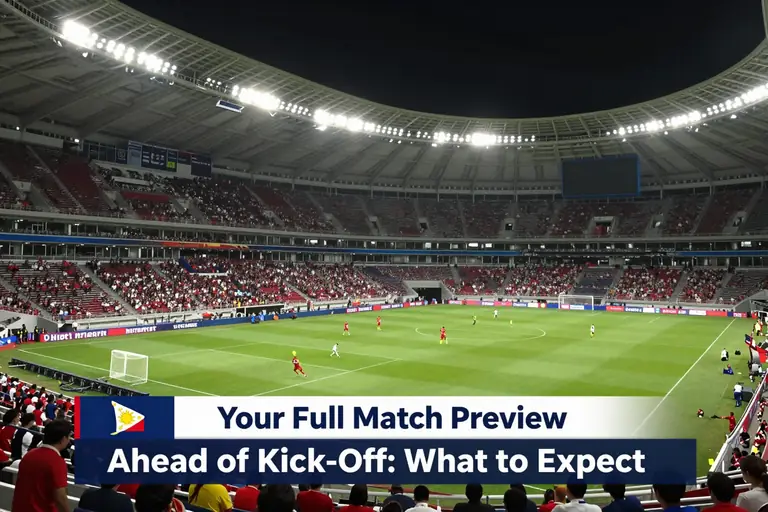

The World Cup is the pinnacle of international football, bringing together the best national teams from around the globe every four years. As we gear up for the next installment, understanding the landscape – from the favorites to the potential dark horses – is crucial for any fan. Our World Cup Preview and Team Breakdown aims to give you a clear picture of what to expect, highlighting the teams that could make a deep run and the players who might just steal the show. We look beyond just statistics to offer a balanced view of each contender’s strengths, weaknesses, and tactical approaches.
This tournament is not just about the big names; it’s about how teams adapt, perform under pressure, and sometimes, how a single moment of brilliance or misfortune can change everything. We’ll delve into the current form of the top nations, their historical performance in the competition, and the key factors that could influence their journey this time around. This comprehensive guide will prepare you for all the excitement and drama that only the World Cup can deliver.
Favorites and Contenders: Who’s Looking Strong?
Every World Cup has its clear favorites, and this edition is no different. Teams like Brazil, Argentina, France, and England consistently feature in discussions about potential champions. Brazil, with its rich history and a squad brimming with talent across all positions, often carries the weight of expectation. Their attacking prowess, combined with a solid defensive setup, makes them a formidable opponent for anyone. Recent performances suggest they are in excellent form, having navigated their qualifying campaign with relative ease.
Argentina, led by their talismanic captain, comes into the tournament with renewed confidence after recent international success. Their blend of experienced campaigners and exciting young talents creates a dynamic team capable of challenging for the title. France, as defending champions, will undoubtedly be a force to reckon with. Their squad depth is remarkable, allowing them to absorb injuries or tactical changes without significant drop-off in quality. However, the pressure of defending their crown can be immense, and historical trends show that repeat champions are rare.
England has also shown significant improvement in recent tournaments, reaching the latter stages of major competitions. Their squad features a strong core of Premier League stars, and their tactical approach under the current manager has proven effective. The key for them will be consistency and handling the high-stakes moments. These nations possess the talent, experience, and tactical acumen to go all the way, making them the teams to watch closely.
Dark Horses and Potential Surprises
While the usual suspects often dominate the headlines, the World Cup is famous for its surprises. Nations like Belgium, Portugal, and Germany, while not always considered the absolute favorites, possess the quality to go all the way. Belgium’s “golden generation” might be nearing its end, but they still have world-class players who can turn a game on its head. Portugal, with Cristiano Ronaldo still leading the line, always poses a threat, especially with a strong supporting cast. Germany, after a period of rebuilding, looks revitalized and should never be underestimated in a major tournament.
Beyond these established powers, we also keep an eye on teams that could pull off an upset or surprise run. Teams from Africa, like Senegal or Morocco, have shown they can compete with the best on their day. Asian contenders, such as Japan and South Korea, often display incredible discipline and tactical intelligence. The unpredictable nature of the group stages means that even highly-rated teams can stumble, opening doors for others. These dark horses often provide some of the most memorable moments of the tournament, making them exciting to follow.
Team Breakdown: Key Players and Tactical Approaches
A detailed World Cup Preview and Team Breakdown wouldn’t be complete without examining the individual components of each squad. We’ll look at some of the key players who are expected to shine. For instance, the attacking flair of players like Kylian Mbappé for France, Vinicius Jr. for Brazil, and Lionel Messi for Argentina will be vital for their respective nations. Midfield maestros who control the tempo and dictate play, such as Kevin De Bruyne for Belgium or Pedri for Spain, will also be crucial. Defensively, the leadership and organizational skills of players like Virgil van Dijk for the Netherlands or Rúben Dias for Portugal can make all the difference.
Tactical approaches will vary significantly across teams. Some will favor a high-pressing, attacking style, while others might opt for a more defensive, counter-attacking strategy. The ability of coaches to adapt their tactics during a match, or even between games, will be a major factor in their team’s success. For example, a team might start with a 4-3-3 formation but switch to a 3-5-2 to counter a specific opponent’s strengths. Understanding these nuances gives us a deeper appreciation of the game. Our analysis of the Match Report: Opening Half Review often highlights how early tactical decisions can shape the entire game.
The fitness of key players leading up to and during the tournament is another critical aspect. An injury to a star player can significantly alter a team’s prospects, forcing coaches to adjust their plans and rely on squad depth. The mental fortitude of players and teams under immense pressure will also play a huge role, determining who can rise to the occasion when it matters most.
Group Stage Dynamics and Knockout Scenarios
The group stage is where the initial battles are fought, setting the tone for the rest of the tournament. Each group presents its own unique challenges and potential narratives. A strong start is paramount, but avoiding complacency is equally important. Teams need to balance securing qualification with managing player fatigue and avoiding suspensions for crucial knockout matches.
As the tournament progresses to the knockout stages, every game becomes a final. The stakes are incredibly high, and the margins for error are almost non-existent. Overtime and penalty shootouts become real possibilities, adding an extra layer of drama and unpredictability. Our coverage will analyze potential knockout scenarios, looking at how different group outcomes could lead to fascinating matchups in the Round of 16, quarterfinals, and beyond. The path to the final is never easy, and avoiding the strongest teams early on can be a significant advantage, making strategic play in the group stage even more vital.
Historical Context and What It Means for This World Cup
Looking back at past World Cups can offer valuable insights, though football is constantly evolving. The trends, the types of teams that have succeeded, and even the “curses” that some teams seem to carry can add another layer to our World Cup Preview and Team Breakdown. For example, no European team has ever won a World Cup held in South America, and vice versa. While these are not guarantees, they add to the narrative and sometimes even influence player psychology.
The evolution of football itself – from tactical innovations to advancements in sports science – means that every tournament brings something new. We’ve seen the rise of data analytics in scouting and game preparation, and the impact of VAR has fundamentally changed how certain moments are judged. All these elements contribute to the complex tapestry of the World Cup, making it a truly global spectacle that captivates billions. We believe that by providing you with this comprehensive analysis, you’ll be better equipped to enjoy every moment of this incredible tournament, understanding the depth and nuances that make it so special.
FAQ
Which teams are considered the main favorites for the World Cup?
Based on current form and squad strength, Brazil, Argentina, France, and England are widely regarded as the primary favorites for the upcoming World Cup.
Are there any dark horse teams that could surprise everyone?
Yes, teams like Belgium, Portugal, and Germany always have the quality to make a deep run. Additionally, nations such as Senegal, Morocco, Japan, and South Korea could potentially cause upsets given their recent performances.
What role do key players have in a team’s success?
Key players are crucial for their ability to influence game outcomes, whether through individual brilliance in attack, controlling the midfield, or providing solid leadership in defense. Their fitness and form are vital.
How important is tactical flexibility for teams in the World Cup?
Tactical flexibility is extremely important as it allows coaches to adapt their strategies to different opponents, manage in-game situations, and respond to unforeseen challenges like injuries or suspensions, which can significantly impact a team’s journey.